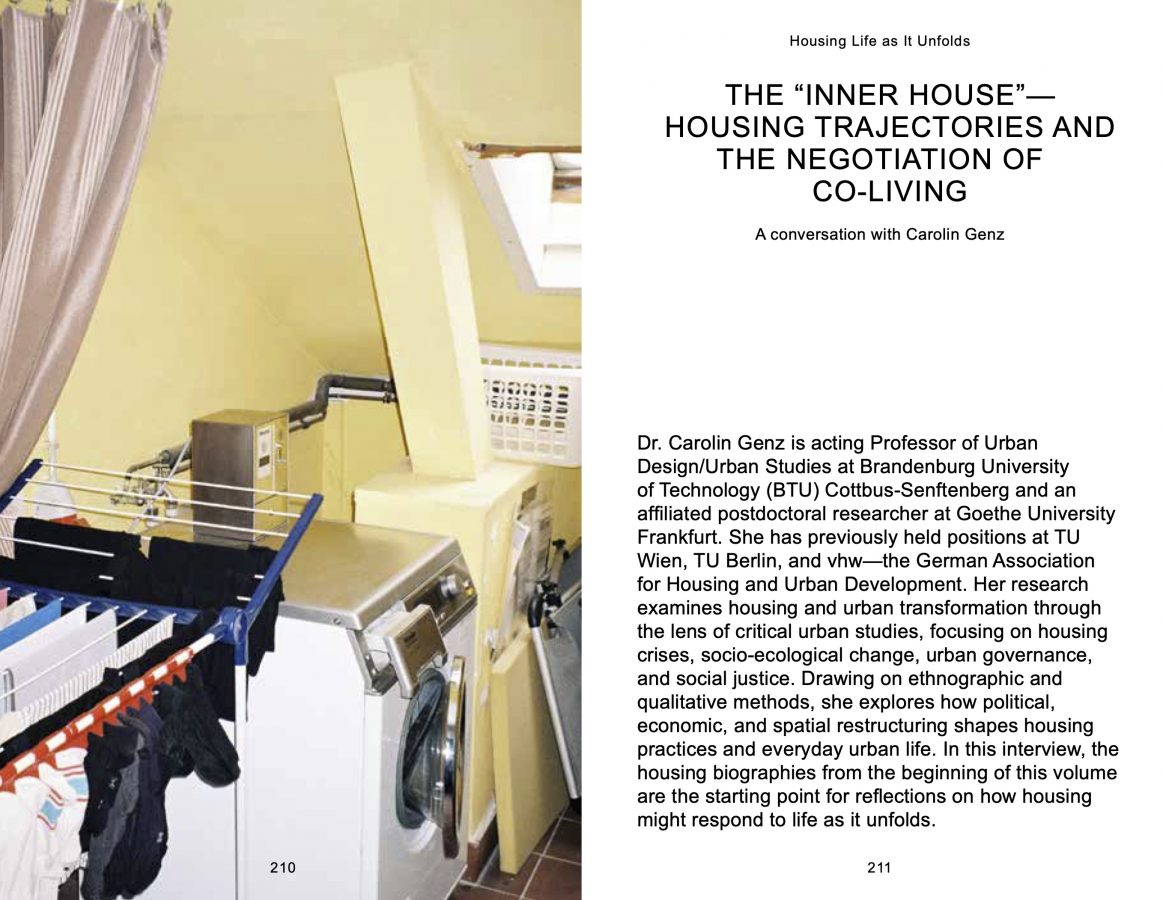
Constellations – Housing Life as It Unfolds
28,00 €
- Edited by Julian Schubert, Elena Schütz, Leonard Streich. In collaboration with Sarah Scherzer, Eva Erny
- English
- Published in: 2026
- 372 pages
- 178 x 115 mm
- ISBN: 978-3-944074-68-9
- Sicherheitshinweis entsprechend Art. 9 Abs. 7 S. 2 der GPSR entbehrlich/Safety notice in accordance with Art. 9 Para. 7 p. 2 of the GPSR not required
We live in constellations. Over time, they change. Could dissolving the boundary around an agglomeration of rooms called apartment create more adequate homes?
A case for Constellations Housing as new architectural type.
The book examines how the need for suitable housing can be met in a lasting and sustainable way — and how, at the same time, the ecological responsibility to use built space more efficiently can be fulfilled.
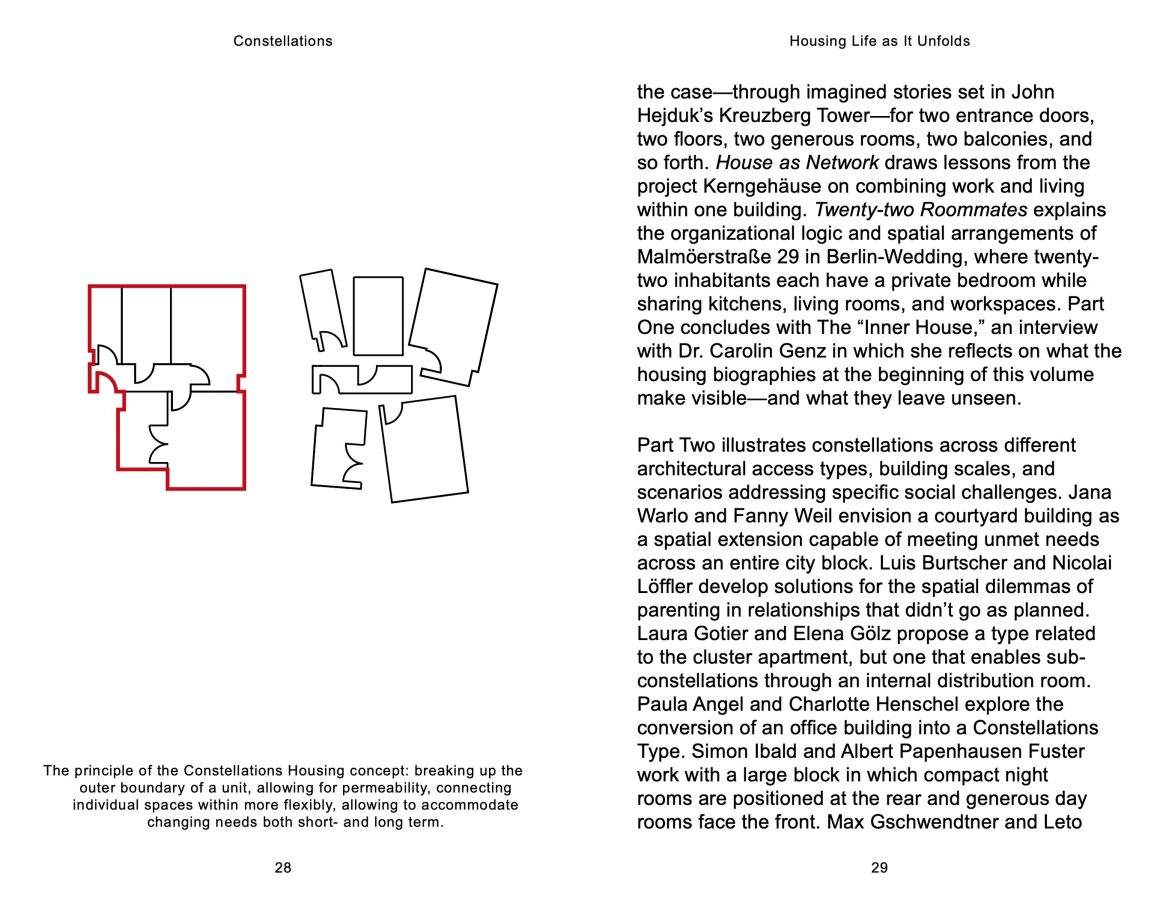
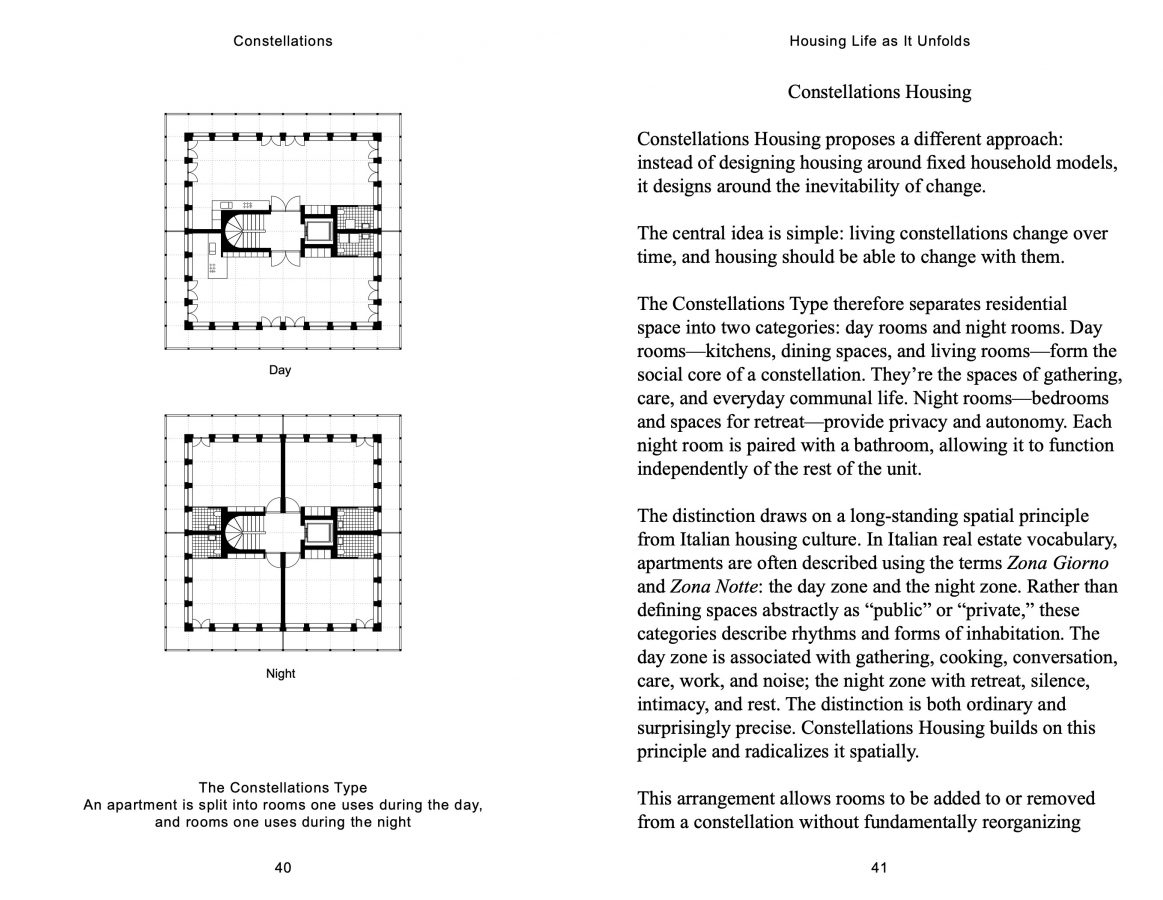
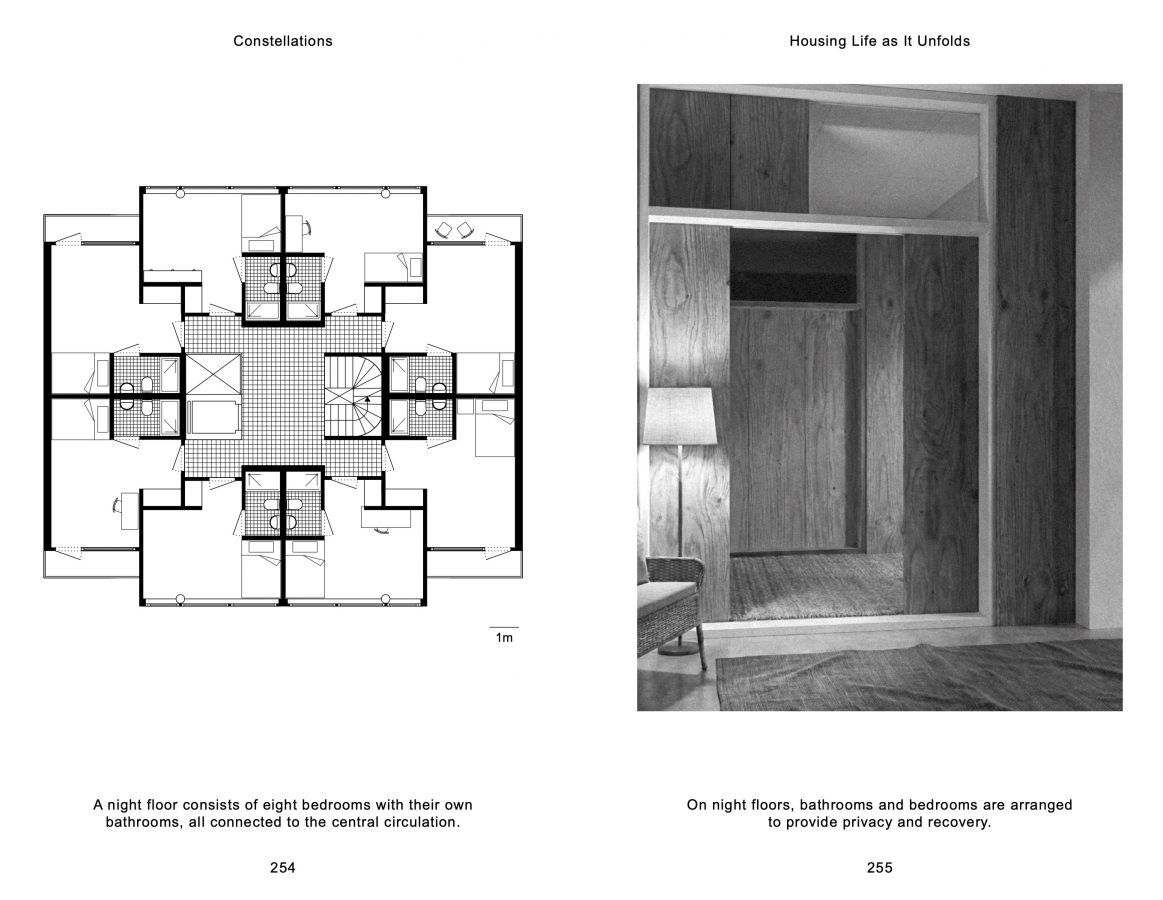
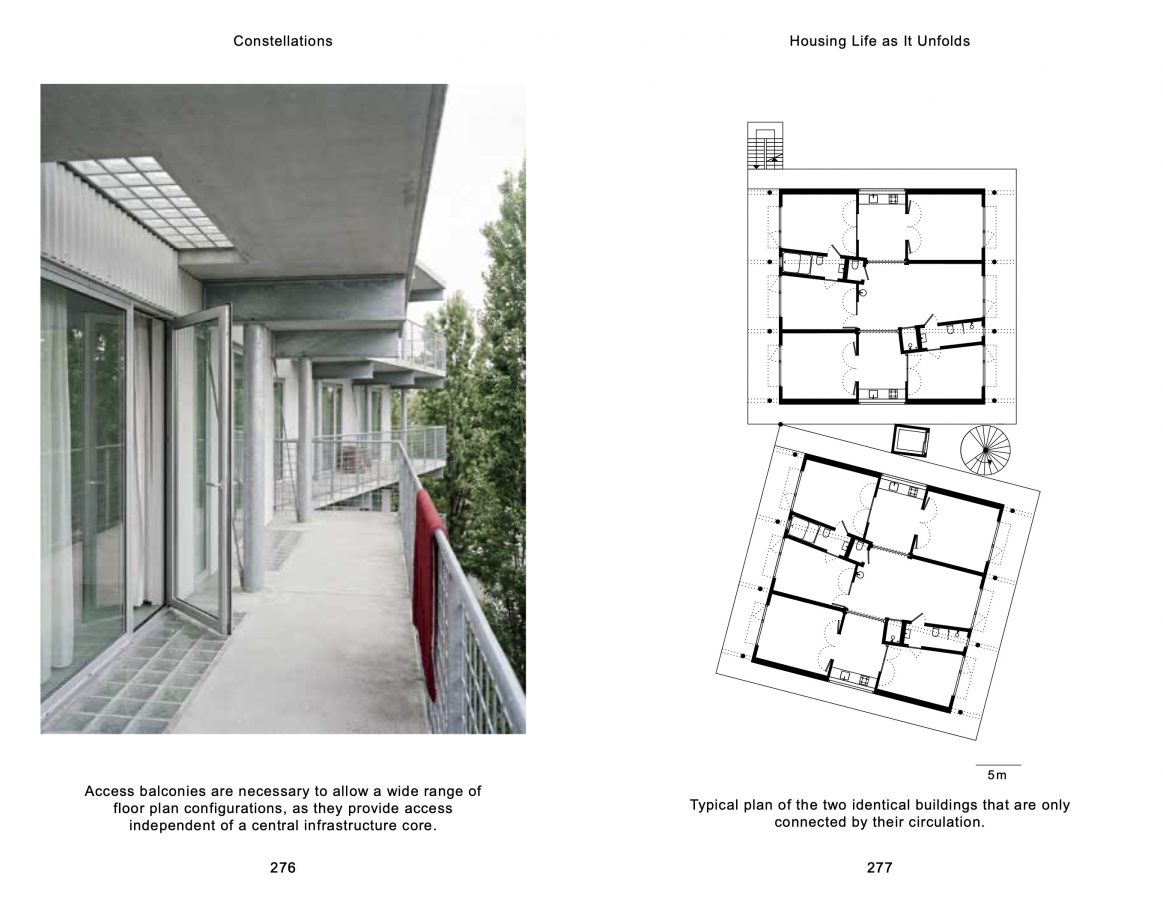
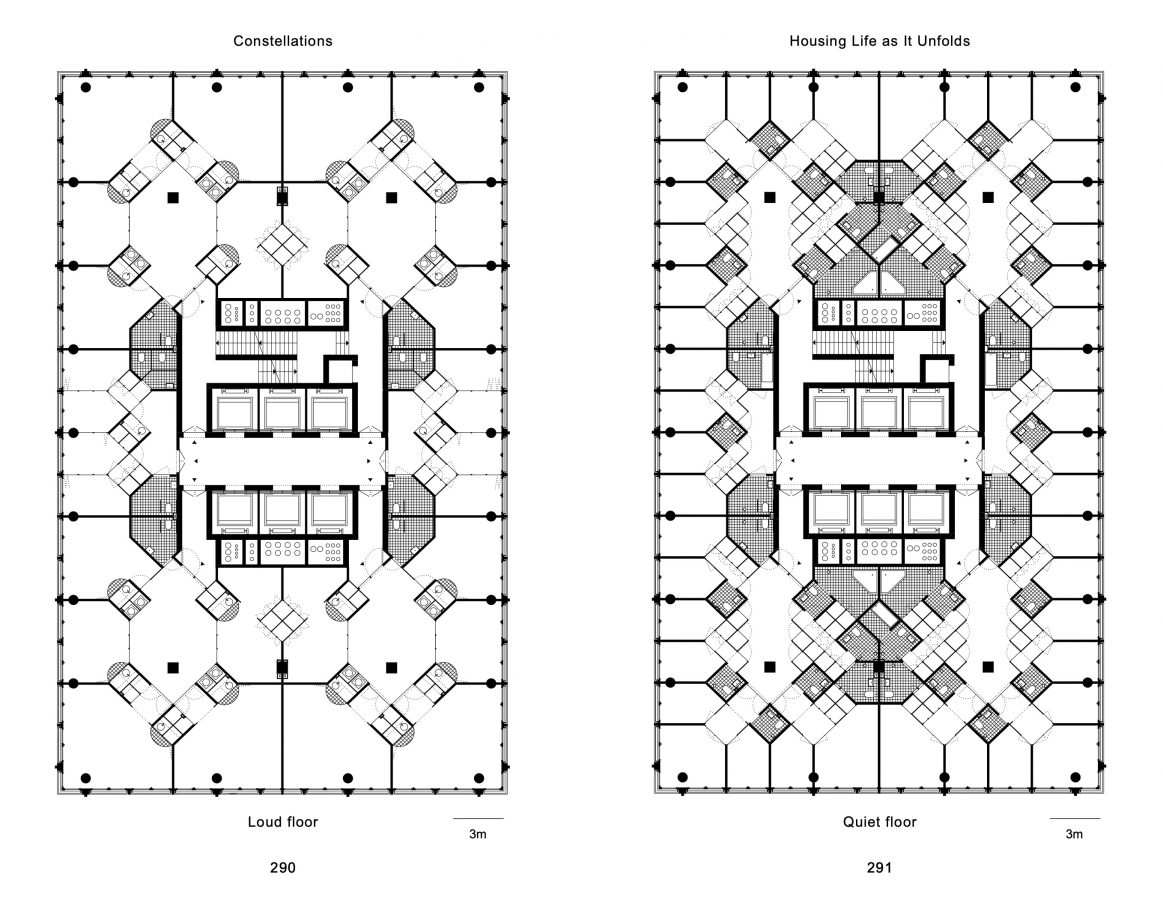
The concept of constellations housing challenges the rigid assignments of rooms within apartments as well as the fixed boundaries between them, proposing instead flexible, permeable spatial structures. Rooms are no longer clearly allocated to individual units but can be used and combined in different ways regardless of their location. The result is a dynamic housing model that adapts to changing life situations and enables diverse forms of living together — from the nuclear family to intergenerational shared housing.
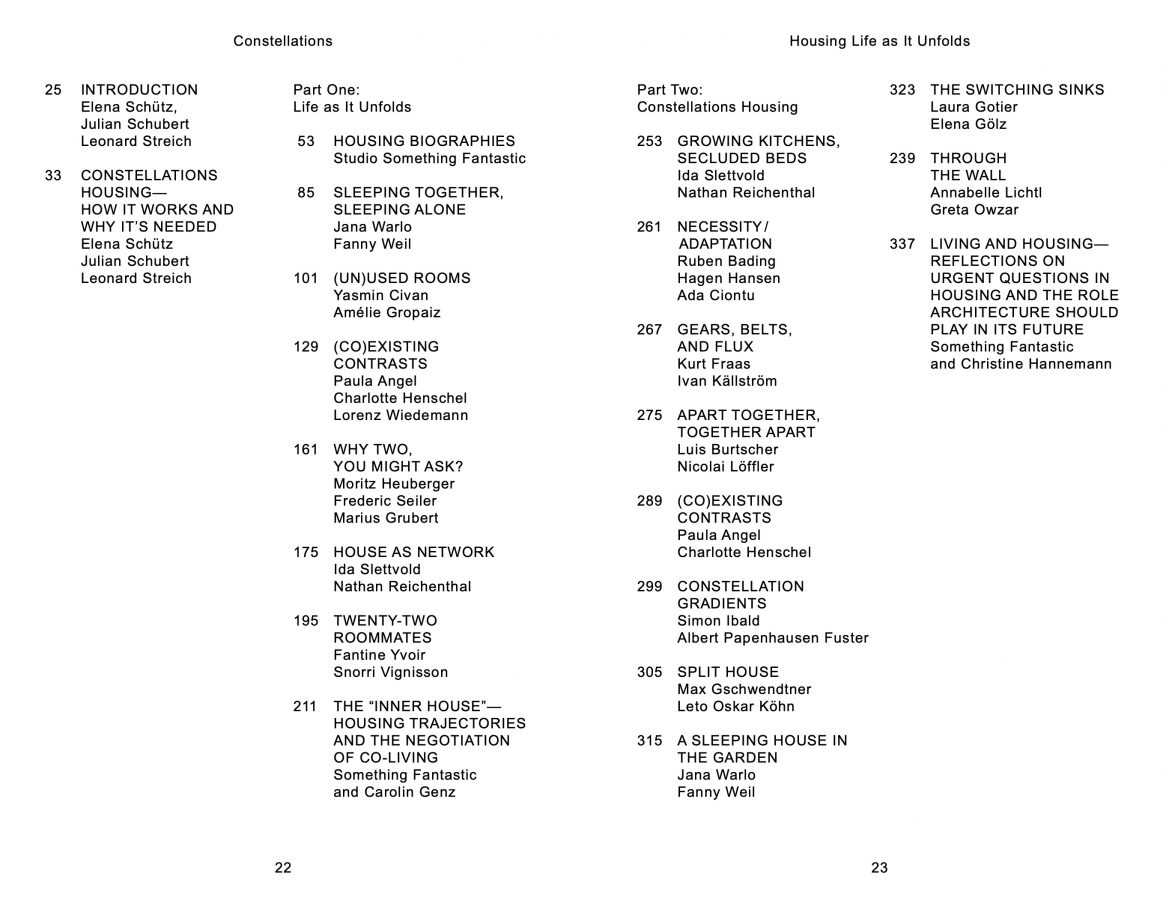
Developed with students at UdK Berlin over two semesters, the book combines design work, interviews, and graphic analysis in two parts:
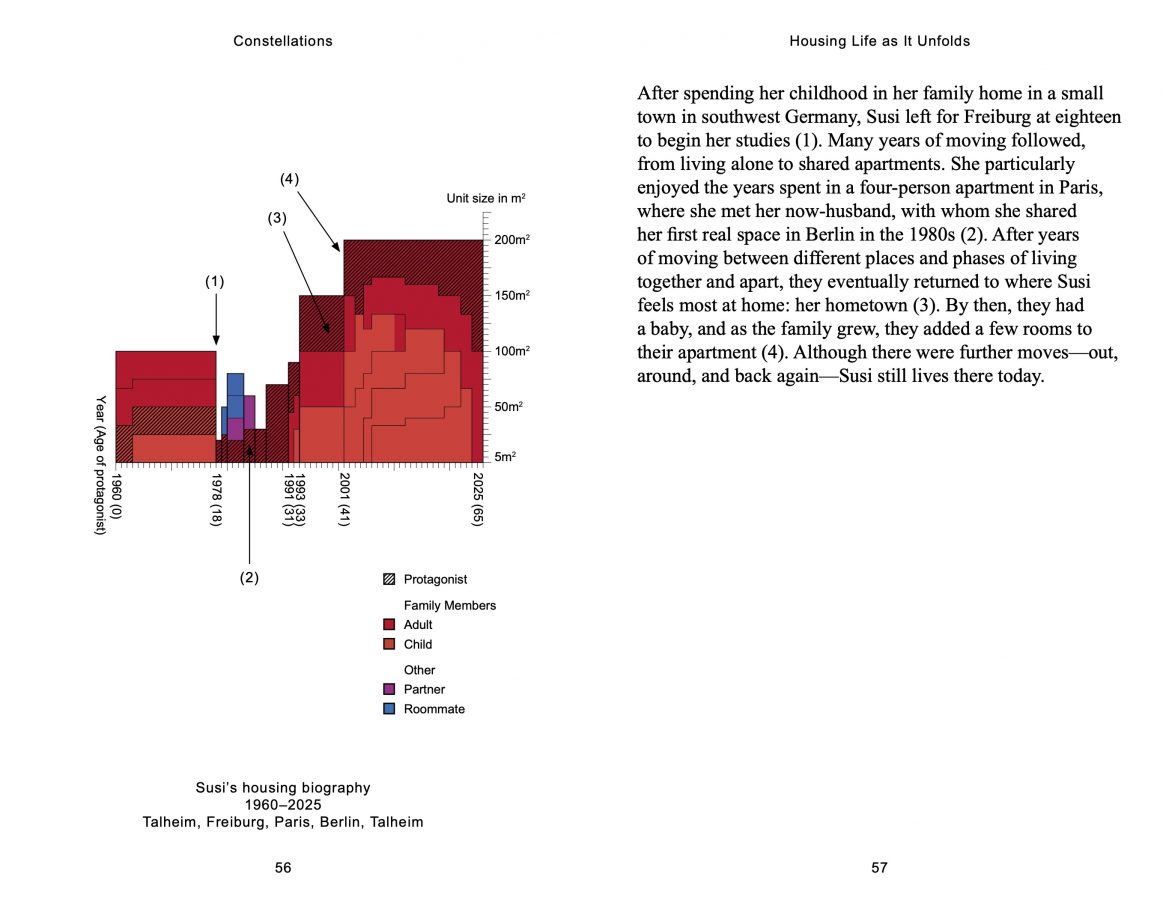
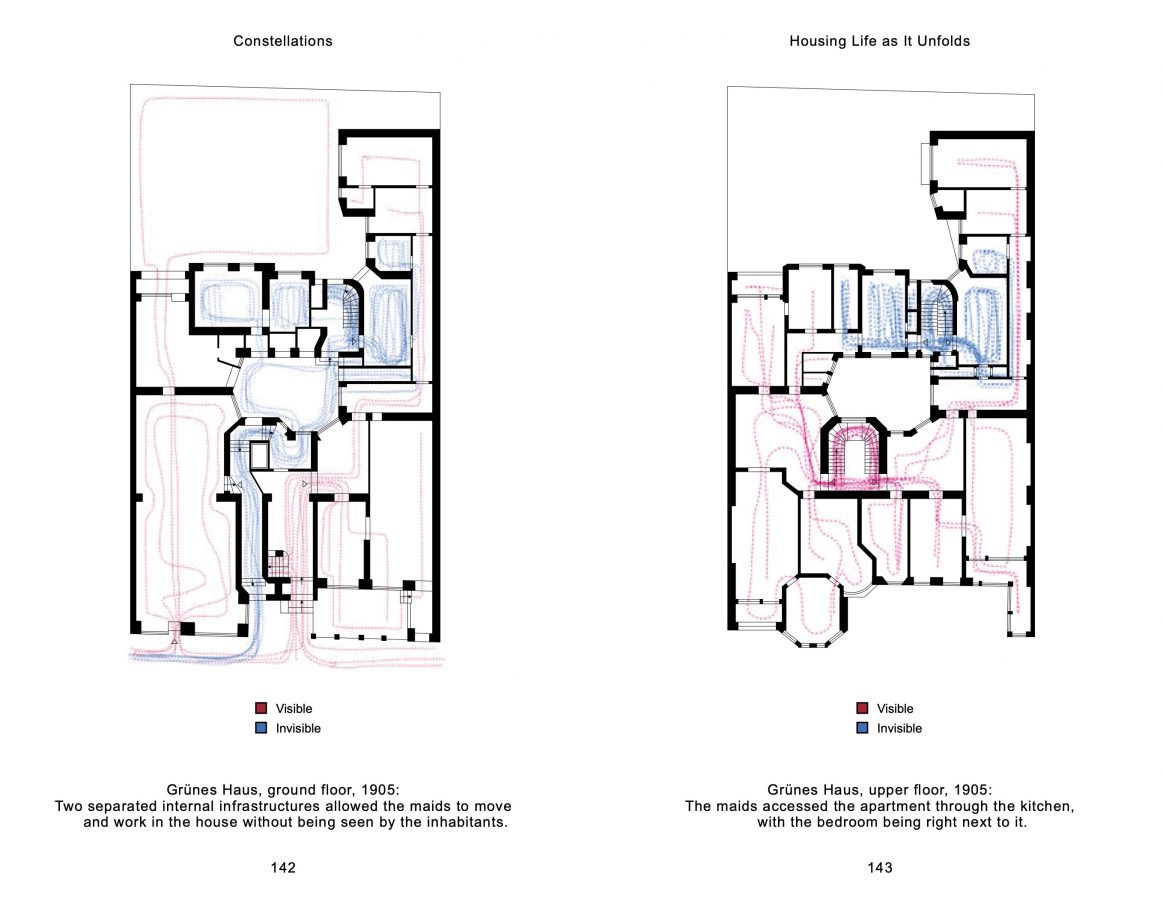
The first part, Life as It Unfolds, investigates the mechanisms that lead to imbalances in housing distribution and describes the status quo through graphics and case studies. From this emerges the call for more flexible — and thus more sustainably usable — housing models.
The second part introduces the concept of Constellations Housing and presents architectural strategies that organize housing as a process shaped by shifting needs, social constellations, and temporal rhythms. Through design projects set in various urban contexts, it demonstrates how permeable spatial structures can be established to enable appropriation, adaptation, and collective use.